
 Se Habla Español

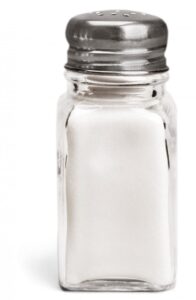
Salt is a staple in many kitchens, enhancing flavor and preserving foods. But when it comes to your oral health, you might wonder: does salt impact your smile? The answer isn’t as simple as good or bad. Like many things, salt can have both positive and negative effects depending on how it’s used and how much you consume.
Let’s take a closer look at how salt affects your teeth and gums.
The Potential Benefits of Salt for Oral Health
Salt has natural antibacterial properties, which is why warm saltwater rinses are often recommended after dental procedures. Rinsing with a mild saltwater solution can help reduce bacteria, soothe irritated tissues, and promote healing after tooth extractions or gum treatments.
Saltwater can also temporarily relieve minor gum inflammation or mouth sores. Because it helps draw out fluid from swollen tissues, it may reduce discomfort and support the body’s natural healing process.
However, it’s important to note that saltwater rinses are not a replacement for brushing, flossing, or professional dental care. They’re best used as a short-term supportive measure.
The Risks of Too Much Salt
While salt itself does not directly cause cavities, high-sodium diets can indirectly affect your oral health. Many salty foods — such as chips, crackers, and processed snacks — are also high in refined carbohydrates. These carbohydrates break down into sugars in your mouth, feeding bacteria that produce enamel-eroding acids.
Additionally, salty foods can contribute to dry mouth by increasing thirst and dehydration if fluid intake is insufficient. Saliva plays a crucial role in washing away food particles and neutralizing acids. Reduced saliva flow may increase your risk of cavities and gum problems.
Highly processed salty foods can also be abrasive or get stuck between teeth, creating areas where plaque can accumulate if not properly cleaned.
Salt and Enamel Erosion
Some people use coarse salt or baking soda mixtures as DIY tooth scrub remedies. While occasional gentle use may not cause harm, aggressive scrubbing with salt can wear down enamel over time. Enamel does not regenerate, so once it’s lost, it cannot be restored naturally.
It’s always safer to use toothpaste specifically formulated to clean teeth without damaging enamel.
Salt isn’t the enemy of your smile, but moderation matters. Using saltwater rinses occasionally can be beneficial, while limiting processed salty snacks and maintaining good hydration helps protect your teeth.
About the Practice
Here at Lancaster Family Smiles, we believe the foundation for a healthy smile begins with preventive care. We’re a private dental office with a family-friendly atmosphere and compassionate dentists and team members. We also believe in a high focus on customer service, meaning we’ll cater to you and your needs. Book online or call (469) 729-7707.